Inclusive training: different body types in CPR manikins
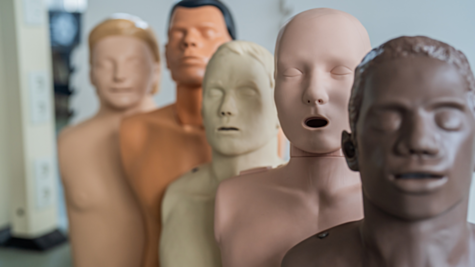
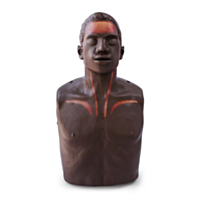
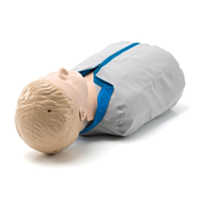
A cardiac arrest can happen to anyone. Yet for many years, training was mainly carried out using one type of CPR manikin: a “standard” adult male. In reality, this does not reflect real-life situations. People differ in body type, gender and physiology. That is why inclusive training with different body types is becoming increasingly important.
Why inclusive training matters
During a real resuscitation, every second counts. Doubt or hesitation can cost valuable time. By training with a variety of body types:
- participants recognise different situations more quickly
- barriers and hesitation are reduced
- training becomes more realistic
This increases the likelihood that someone will take action in an emergency.
What differences play a role?
1. Gender (for example female CPR manikins)
Research shows that there is often more hesitation when starting CPR on women. Reasons include uncertainty about hand placement, social barriers and fear of doing something wrong.
Training with a female CPR manikin helps participants learn correct hand placement on a different body profile and prepares them for more realistic scenarios.
2. Body type and chest resistance
Not every body responds the same way to chest compressions. Consider the differences between a slim and a heavier build.
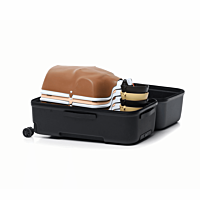
In addition to standard models, there are also specialised CPR manikins designed for training on people with obesity, known as bariatric training models (e.g. Fat Old Fred). These simulate:
- a larger chest size
- increased resistance during compressions
- adjusted hand positioning and technique
What are the benefits of inclusive training?
More realistic training
The training scenario better reflects real-life situations.
Less hesitation
Participants know what to expect and act more quickly.
Better learning outcomes
More variation leads to deeper understanding and improved skills.
Aligned with modern guidelines
Inclusivity is increasingly incorporated into training and guidelines.
Practical tips
Do you want to train more inclusively? Choose a mix of different body types and combine this with feedback systems to improve learning outcomes.