When to replace ZOLL electrodes and batteries
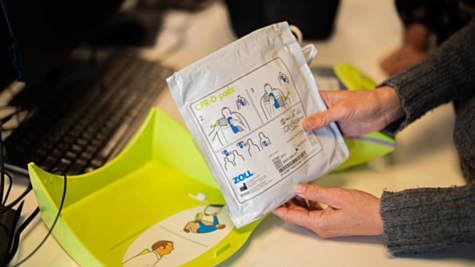
An AED is designed to be ready for use at a moment's notice during a Sudden Cardiac Arrest (SCA) emergency. However, maintaining that readiness requires regular attention to electrodes and batteries, both of which have a limited lifespan. Ensuring these consumables are within their expiry dates is an essential part of keeping your AED rescue ready.
How long do ZOLL AED electrodes and batteries last?
AED electrodes have a limited shelf life because they are coated with an adhesive conductive gel that helps create a strong connection between the patient and the device. Over time, this gel can dry out and lose effectiveness, reducing the quality of the connection.
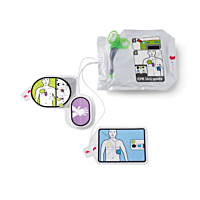
ZOLL® offers a range of innovative electrode solutions designed for ease of use and effective rescue. ZOLL AED 3® and ZOLL AED Plus® also feature Real CPR Help® technology, providing real-time feedback on the rate and depth of chest compressions, helping rescuers deliver high-quality CPR when it matters most.
It's also important to note that ZOLL AEDs perform automatic self-tests to help ensure the device is ready for use. If a self-test fails, the AED will alert users through a warning alarm or red status light, signalling that the device requires attention, such as replacing electrodes or batteries.
ZOLL AED 3®
The ZOLL AED 3 is designed with long-term readiness in mind:
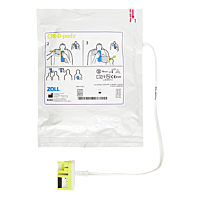
- CPR Uni-padz® electrodes have a shelf life of up to five years. These universal pads can be used for both adult and paediatric rescues, reducing the need for separate electrode sets.
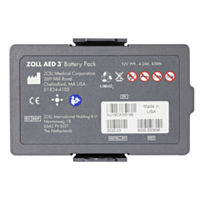
- The ZOLL AED 3 smart battery has an operating life of up to five years under specified standby conditions and reports its power status to the AED, helping users monitor device readiness.
ZOLL AED Plus®
The ZOLL AED Plus offers a practical and cost-effective maintenance approach:
- The AED Plus uses 10 Duracell Coppertop CR123 lithium batteries. ZOLL specifies battery replacement every five years or whenever the device prompts battery replacement.
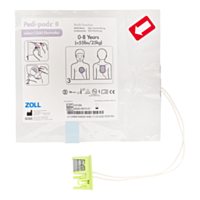
- CPR-D-padz® electrodes have a shelf life of up to five years. Pedi-padz® II paediatric electrodes have a shelf life of up to two years. Always replace electrodes by the expiration date printed on the package.
Powerheart® G5
The Powerheart G5 AED is designed to simplify maintenance:
- Intellisense™ electrode pads have a shelf life of 30 months from the date of manufacture, with a minimum shelf life of 24 months.
The Intellisense™ lithium battery has a standby life of four years once installed, with daily self-testing. Before installation, the battery can be stored for up to five years from the date of manufacture at 23°C (77°F).
What happens if AED electrodes or batteries expire?
Expired AED consumables can affect the device's ability to function properly during an emergency.
When electrodes expire or reach the end of their lifespan:
- The adhesive gel may dry out, making it difficult for the pads to stick securely to the patient's chest.
- Electrical conductivity can be reduced, potentially affecting shock delivery and ECG analysis.
When batteries reach the end of their recommended service or standby life, or when the AED indicates a low-battery condition:
- The AED may fail a self-test or indicate that attention is required.
- Insufficient battery capacity may compromise the device's readiness for a rescue.
Keep a maintenance schedule for your consumables
The best way to maintain AED readiness is to establish a simple maintenance routine.
Follow these best practices
✅ Check electrode expiration dates regularly.
✅ Monitor battery status indicators and device readiness lights.
✅ Replace electrode pads after every rescue, even if their expiration date has not yet been reached. After each use, check the AED's battery status and replace the battery if indicated by the device or required by the manufacturer's instructions.
✅ Keep spare electrodes and batteries available whenever possible.
✅ Record expiration dates and schedule regular inspections as part of your safety programme.
✅ Follow the manufacturer's recommendations for storage conditions, as excessive heat, cold, or humidity can shorten the lifespan of consumables.
Stay rescue ready
ZOLL AEDs perform automatic self-checks, but routine inspections remain essential. By keeping track of expiration dates and replacing consumables on time, you can ensure your ZOLL AED is always prepared to assist during a cardiac emergency.
A few minutes spent on routine AED maintenance can make all the difference when a life depends on it.